What Is the Emotional Range of Your Script?
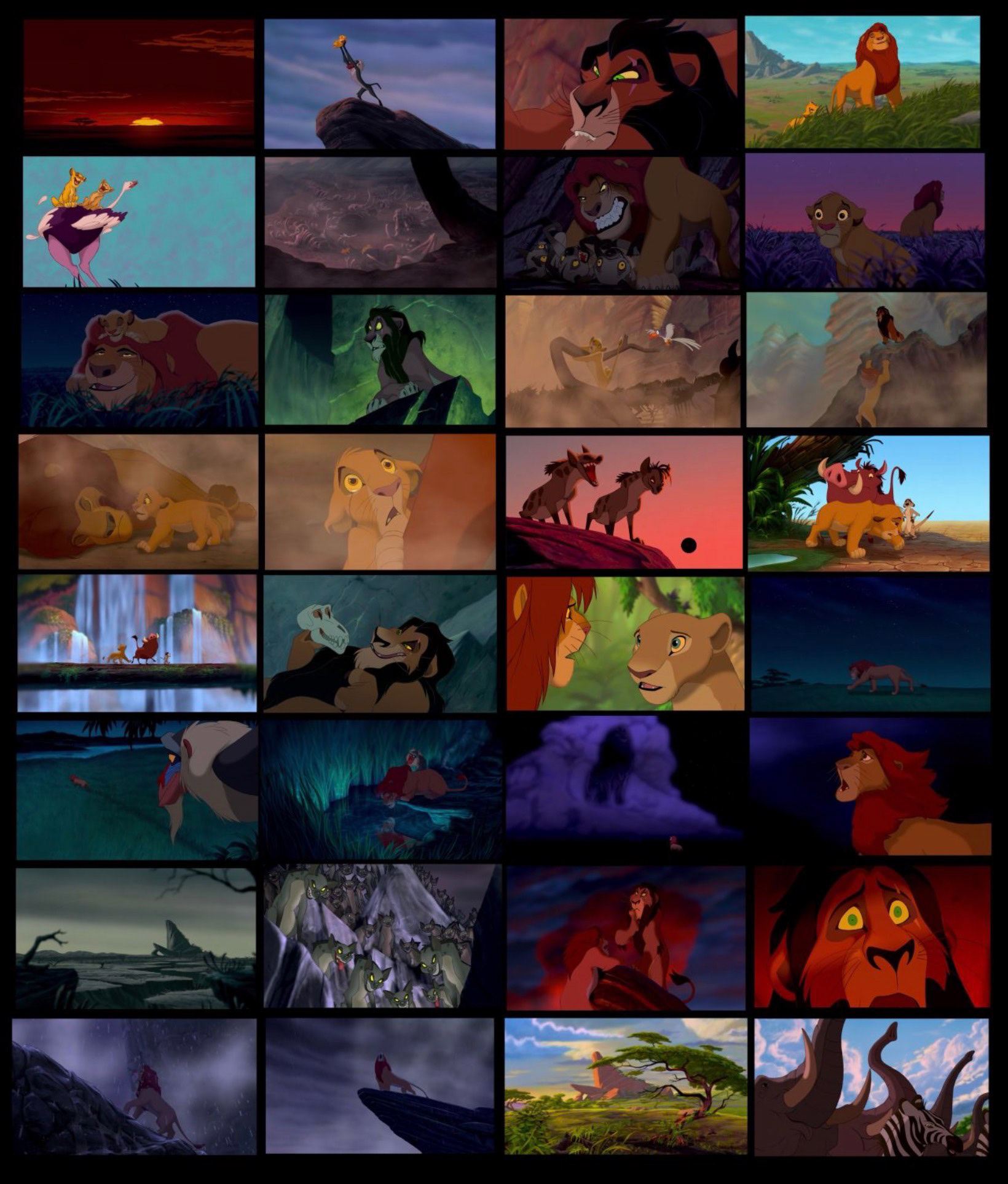
There is a great deal writers can learn by looking at the emotional architecture of animated classics. The Lion King, for example, moves through wonder, joy, fear, grief, guilt, denial, connection, courage, and ultimately responsibility. The plot matters, of course, but so does the emotional progression underneath it.
That is something I think can be especially useful to consider early in development. One tendency I sometimes notice in pitches is that a great deal of attention goes into world-building, mythology, and plot mechanics before the emotional core is fully clear. The world may be imaginative and the premise may be appealing, but I am still left wondering what the story is trying to make us feel.
Almost any premise can work in the right hands. There are wonderful stories about princesses and forgettable stories about princesses, just as there are wonderful and forgettable stories about superheroes, families, monsters, or talking animals. The subject itself is rarely the entire answer. What often makes the difference is what the story is exploring emotionally, what it wants to say, and how the audience is meant to experience that journey.
Another tendency I see is moving into highly detailed scripting before the larger structure feels completely secure. There is a useful principle in painting: do not spend hours perfecting the leaves in one corner before you understand the composition of the entire image. Storytelling can benefit from the same approach. Before polishing dialogue, jokes, secondary characters, lore, or individual scenes, it can help to understand the larger shapes first. And one of those shapes is the emotional journey.
An Emotional “Color Script”
One tool I find useful is to create something similar to a color script, but for emotion. Instead of mapping only plot points, map the dominant emotional experience attached to each major beat.
In The Lion King, for example, Mufasa’s death might represent grief and shock. Simba’s retreat into “Hakuna Matata” can be understood as avoidance or denial. His relationship with Timon and Pumbaa introduces comfort, belonging, and joy. Nala’s return brings the past back into conflict with the life he has built. The confrontation with Scar becomes about courage, responsibility, and reclaiming identity.
Looking at a story this way makes the emotional movement visible before the screenplay becomes overly detailed. It also allows the writer to ask a very simple question: What is the audience feeling from one section of the story to the next?
Why This Can Help
Mapping the emotional journey early can reveal problems that are harder to notice once a script becomes dense. If the same emotional beat repeats several times, that becomes easier to see. If a large section of the story remains in one emotional register for too long, that becomes visible too. If the protagonist is moving through events without undergoing any meaningful emotional progression, the structure may need more work.
It can also help prevent a story from feeling stretched simply because it is trying to reach a particular length. Ideally, scenes exist because they create movement. They advance the plot, deepen character, shift a relationship, introduce a new emotional experience, or do several of those things at once. When too many scenes are producing essentially the same emotional result, the story may begin to feel repetitive even if the events themselves are technically different.
Build the Large Shapes First
For that reason, I would be cautious about moving directly from a charming pitch into a very long script. There can be value in creating an intermediate stage first: a treatment, a beat sheet, an emotional map, or a simplified structure that connects major plot points to the emotional journey. That step gives the writer a chance to examine the bones of the story before investing heavily in detail.
What changes emotionally from Act One to Act Two? Where does the audience experience relief? Where does the protagonist lose something? Where do they gain something? When does hope rise? When does it collapse? Where does the tone shift? Where is the emotional peak?
Those questions can reveal just as much about the strength of a story as the mechanics of the plot.
Story Development Affects the Entire Production
This becomes particularly important in animation because story development happens upstream from an enormous amount of work. I have worked on art teams, and one thing that becomes very clear is how many creative decisions depend on the stability of the story.
Visual development artists, designers, storyboard artists, modelers, animators, lighting teams, and many others may begin building around a sequence, environment, character, or idea that later changes substantially as the script evolves. Change is inevitable in filmmaking, and iteration is part of the process. But the more clarity a project can achieve around its central dramatic and emotional structure early on, the more intentionally the rest of the production can build around it.
That does not mean a script needs to be completely fixed before anyone else contributes. Collaboration can improve the story enormously. It simply means that the story stage deserves time and focus because decisions made there can ripple through the entire production.
Before You Polish the Leaves, Check the Composition
So before building out every corner of the world or polishing every scene, I think it is worth asking: What is the emotional range of this story? What does the audience feel in Act One? How does that feeling evolve in Act Two? What emotional territory have we already visited? What are we saving for later? And how are those emotions connected to the choices the protagonist is making?
A strong premise can make people curious. A strong plot can keep events moving. But the emotional journey is often what makes the experience feel complete.
Before polishing the leaves, make sure the composition works.