One question I’ve been thinking about lately is this:
I don’t think the issue in some recent animated films is that the artists don’t know how to create expressive faces. Quite the opposite. Many of the expressions are incredibly readable.
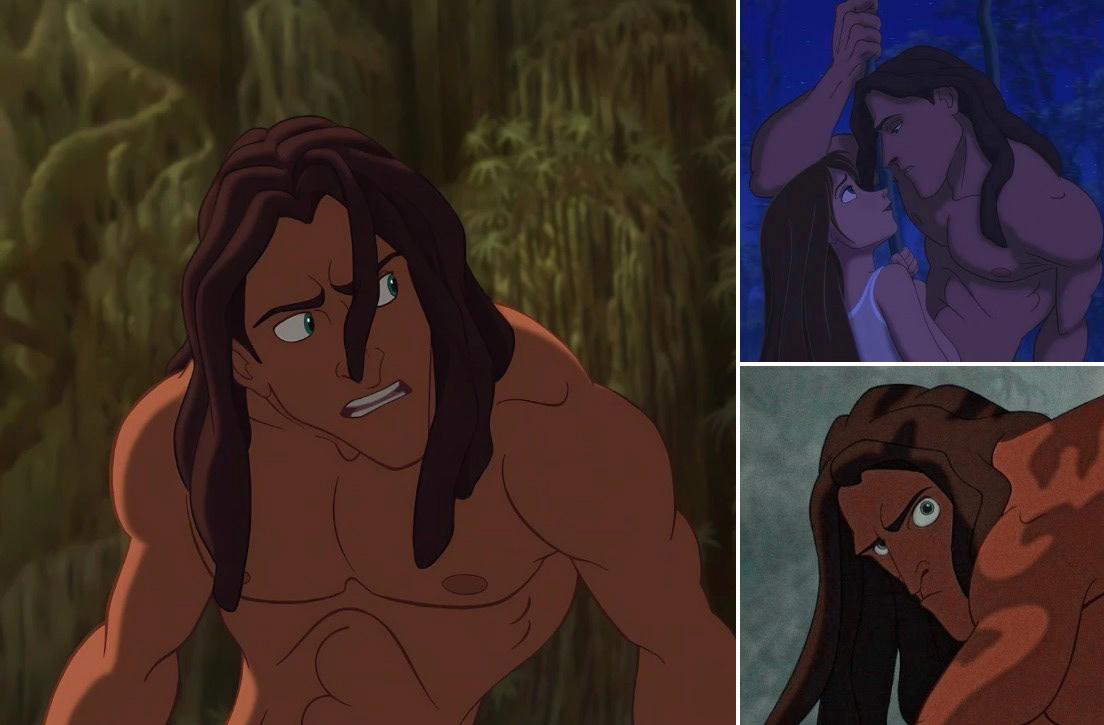
Instead, I’ve been wondering whether some performances can occasionally feel designed from the outside in, whereas performances like Tarzan often feel designed from the inside out.
Here’s what I mean.
In many recent films, the faces communicate emotion immediately. If I freeze the frame, I instantly understand what the character is feeling.
But sometimes I don’t feel like I’m watching someone thinking.
My current hypothesis is that an expression isn’t actually an emotion. It’s the visible consequence of something happening inside the character.
The deepest question isn’t:
“What face would excitement make?”
It’s:
“What is happening inside this person at this exact second?”
I remember watching an interview with Glen Keane about animating the moment Tarzan first reaches out to Jane.
He explained that he couldn’t get the expression right. No matter how much he adjusted the face, it didn’t feel truthful.
Eventually, he stopped thinking about Tarzan’s face altogether.
Instead, he thought about the first time he held his newborn daughter and looked into her eyes. He animated Tarzan from that feeling.
That story completely changed the way I think about acting.
He didn’t start with a facial pose. He started with an inner human experience, and the expression emerged from it.
The face wasn’t the source of the emotion—it was the consequence of it.
That’s why Tarzan fascinates me.
When Tarzan looks at Jane in the iconic hand scene, his eyes aren’t simply “soft.” They’re trying to understand. There’s curiosity, caution, vulnerability, and attraction he doesn’t yet understand himself.
His pupils don’t feel like they’re posing for an emotion.
They feel like they’re following thought.
To me, that’s the difference between:
inner thought → emotion → facial expression
and
desired audience reaction → facial pose.
The distinction is intellectually tiny…
…but emotionally enormous.
One thing I love about many of the older Disney performances is that the animators often talked about intent, not expression.
Instead of asking,
“What face does she make?”
they asked,
“What is she trying to do?”
The face becomes one consequence among many, not the performance itself.
So this is the question I’m currently exploring:
Can an audience feel the difference between a character displaying an emotion… and a character genuinely having a thought?
I don’t know whether this hypothesis will hold up over time. But it’s one of the questions I find most fascinating as I continue studying story and character acting.
I don’t think the issue in some recent animated films is that the artists don’t know how to create expressive faces. Quite the opposite. Many of the expressions are incredibly readable.
Instead, I’ve been wondering whether some performances can occasionally feel designed from the outside in, whereas performances like Tarzan often feel designed from the inside out.
Here’s what I mean.
In many recent films, the faces communicate emotion immediately. If I freeze the frame, I instantly understand what the character is feeling.
But sometimes I don’t feel like I’m watching someone thinking.
My current hypothesis is that an expression isn’t actually an emotion. It’s the visible consequence of something happening inside the character.
The deepest question isn’t:
“What face would excitement make?”
It’s:
“What is happening inside this person at this exact second?”
I remember watching an interview with Glen Keane about animating the moment Tarzan first reaches out to Jane.
He explained that he couldn’t get the expression right. No matter how much he adjusted the face, it didn’t feel truthful.
Eventually, he stopped thinking about Tarzan’s face altogether.
Instead, he thought about the first time he held his newborn daughter and looked into her eyes. He animated Tarzan from that feeling.
That story completely changed the way I think about acting.
He didn’t start with a facial pose. He started with an inner human experience, and the expression emerged from it.
The face wasn’t the source of the emotion—it was the consequence of it.
That’s why Tarzan fascinates me.
When Tarzan looks at Jane in the iconic hand scene, his eyes aren’t simply “soft.” They’re trying to understand. There’s curiosity, caution, vulnerability, and attraction he doesn’t yet understand himself.
His pupils don’t feel like they’re posing for an emotion.
They feel like they’re following thought.
To me, that’s the difference between:
inner thought → emotion → facial expression
and
desired audience reaction → facial pose.
The distinction is intellectually tiny…
…but emotionally enormous.
One thing I love about many of the older Disney performances is that the animators often talked about intent, not expression.
Instead of asking,
“What face does she make?”
they asked,
“What is she trying to do?”
The face becomes one consequence among many, not the performance itself.
So this is the question I’m currently exploring:
Can an audience feel the difference between a character displaying an emotion… and a character genuinely having a thought?
I don’t know whether this hypothesis will hold up over time. But it’s one of the questions I find most fascinating as I continue studying story and character acting.